What’s Making Us Sick, and How to Fight It

Updated: Jul 24

Many Americans are sick. Increasingly, people have diseases like diabetes, cancer, heart disease, and Alzheimer’s; many more struggle with elevated blood pressure, high cholesterol and triglycerides, too much belly fat, low testosterone, menstrual irregularities, infertility, fatty liver, sleep disorders, and depression and anxiety.
We doctors are busily treating the symptoms, often not realizing all these illnesses and disorders have one thing in common: Every one of them is caused or aggravated by a condition known as insulin resistance.
And you could have it—over half of all adults in America are insulin resistant.
Glucose and Insulin Basics
Glucose is your blood sugar. It’s a key determinant of your long-term health.
Insulin is a hormone, arguably the most important of all.
Insulin determines what your body does with the calories you consume:
Do you store them as fat?
Or burn them as fuel?
And yet, neither you nor your physician probably has a clue about what your insulin level is or how it varies throughout your day.
Insulin is a major determining factor of how your body functions, what your body composition is (percentage of body fat versus percentage of muscle and bone), even how hungry you are and what you’re craving.
Insulin is an anabolic (tissue-building) hormone made and secreted by the pancreas that regulates the blood glucose levels.
A Week on Cardiovascular Service
One of my favorite work assignments is to make rounds as the cardiologist in charge of the Cardiovascular A Service at Saint Luke’s Hospital on the Plaza. During that week, I get the opportunity to work with the young doctors and medical students, who teach me as much as I teach them.
During their decades-long medical education, they will receive virtually no training on nutrition. Which is unfortunate because we have an increasingly evidence-based understanding about how the right diet and lifestyle can help us avoid or treat nearly all the most common diseases and ailments that shorten our lives and make us miserable.
When I am rounding in the hospital with the team that includes a cardiology fellow, residents, interns, pharmacists, and medical students, I encourage them to read:
Why We Get Sick by Benjamin Bikman, PhD
Metabolical by Robert Lustig, MD
The theme of these books: A high-sugar diet of ultra-processed foods is at the root of most chronic disease.
Both authors teach that the sure-fire and inexpensive path to a sexy waistline and robust metabolic health is a diet of whole natural foods devoid of fast foods and processed foods.
Food, Hormones, and Fat
What we eat, and how often we eat, affects our hormonal balance. In turn, those hormones—especially insulin—ramp up the appetite and store consumed calories as fat inside the abdomen.
Consuming refined carbohydrates → insulin levels rise.
Eating frequently → insulin stays high.
Protein → only a small insulin spike.
Fat → the only macronutrient with no effect on blood sugar or insulin level.
So fat is your friend if it’s from:
Nuts
Seeds
Avocados
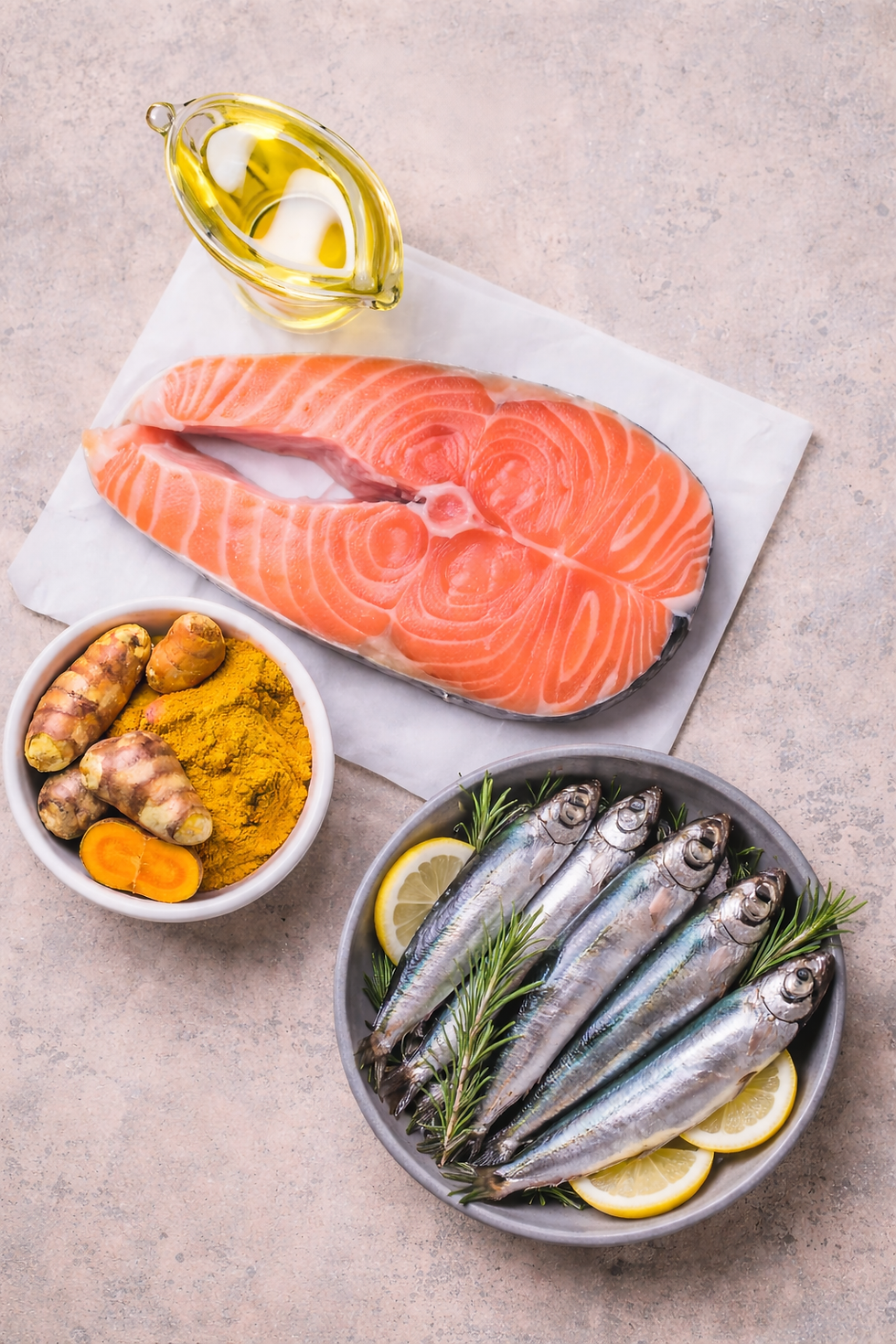
Extra-virgin olive oil
Fish
A metabolically healthy diet is rich in these heart-healthy fats.
On the other hand, processed carbs (added sugar and refined grains) are the evil villain. When you eat these foods, the insulin spike tends to turn those calories into belly fat, which eventually causes inflammation and disease.
The Standard American Diet (SAD)
A seemingly “healthy” breakfast of a whole wheat bagel and orange juice spikes your blood sugar, which then causes your insulin to rocket upwards.
Then for lunch: sandwich, bag of chips, and a Diet Coke. Midafternoon snack: muffin. Dinner: spaghetti with ice cream for dessert.
This is the Standard American Diet (SAD)—and it is a recipe for disaster.
When you follow the traditional nutrition advice of eating 3 meals with snacks, and eat a diet comprised mostly of refined carbohydrates, you are setting yourself up for insulin resistance.
This kind of diet keeps insulin levels sky-high all day, and soon your body becomes numb to the effects of insulin—causing your cells to become insulin resistant.
The Vicious Cycle
Chronically high insulin levels → insulin resistance → most modern diseases.
To make matters worse, insulin resistance makes you:
Tired
Fat
Irritable
Constantly craving sweets, carbs, and junk food
High insulin also:
Raises blood pressure
Raises cholesterol
Causes inflammation
Triggers fluid retention
What Influences Glucose and Insulin
Blood glucose and insulin levels follow a complex algorithm influenced by:
How easily digestible the food is
Sugar, white flour, and refined carb content
Fiber intake
Sleep quality
Recent exercise
Genetics
Body composition
Gut microbiome (trillions of microbes inside your intestines that help digest food and boost immunity)
The Role of Continuous Glucose Monitors (CGM)
Today, people with diabetes who are taking insulin are often prescribed a continuous glucose monitor (CGM).
CGM measures glucose 24 hours a day and sends results to your smartphone.
Until recently, CGMs cost about $400/month, so only those with diabetes and good insurance had access.
Now, less expensive CGMs have become available—affordable even for people without diabetes.
I have been wearing a CGM monitor for much of the past 12 months, and I love it.
CGM is the most powerful behavior modification tool ever.
Example: sometimes when I was on call and got hungry, I would wolf down a bag of corn chips. With a CGM, I saw that this snack spiked my glucose to 150 mg/dL. That feedback convinced me to avoid chips.
Fat Storage and Types of Fat
Insulin keeps your blood sugar in range partly by converting sugar into triglycerides and storing it as fat in and around your abdomen and liver.
Visceral fat (inside your belly) = dangerous, churns out inflammatory hormones, drives insulin resistance, causes disease and aging.
Subcutaneous fat (the kind you can pinch or jiggle) = generally harmless.
Muscles: The Sugar-Burning Engine
Your muscles burn 80% of the sugar in your bloodstream.
That means any sort of physical activity combats insulin resistance because it removes glucose from the bloodstream without requiring insulin.
Restoring Insulin Sensitivity
Best strategies:
Avoid sugar and refined carbs
Incorporate more exercise
Follow a gentle fasting routine → no calories or artificial sweeteners for at least 12 hours every night
Avoid eating 3–4 hours before bedtime
More fasting = less belly fat.
Beware Fruit Juice
Ben Bikman advises against drinking fruit juice.
Floods body with fructose, a metabolically damaging sugar
Generates insulin spike → stored as belly fat
In general, avoid drinking any beverage that contains sugar.
Exception: Low Sodium V8 juice (7 grams sugar per 8 oz, but rich in nutrients).
Fruit in moderation is OK because fiber and nutrients offset the sugar.


Comments