The Secret to Hard Bones, Soft Arteries: Not Vice Versa


For years, doctors have given fairly simple advice about bone health: “Take calcium supplements, and lift weights.” It sounded logical. Bones are made largely of calcium, osteoporosis is common, and most Americans don’t get enough calcium in their diets. Problem solved, right?
Not so fast. Over the last decade, the science and this topic has become more nuanced—and frankly, more promising. As I reviewed the literature and co-authored a paper on this topic, I came to realize that building strong bones while preserving healthy arteries requires a much smarter strategy than simply swallowing calcium carbonate tablets.
The goal should not just be hard bones. It should be strong and hard bones with soft supple arteries. That distinction matters because osteoporosis and cardiovascular disease are deeply interconnected. People with thinning bones are more likely to have calcified arteries, heart attacks, and strokes. Unfortunately, traditional calcium supplements may actually worsen arterial calcification in certain individuals.
That was a wake-up call for me.
The Calcium Paradox
Here’s the paradox: calcium is essential for life and critical for bone strength, yet excess calcium circulating in the bloodstream can contribute to calcification in arteries. The issue is not calcium itself—it’s how we consume it.
When people take large doses of standard calcium supplements such as calcium carbonate or calcium citrate, blood calcium levels can spike abruptly. These standard calcium tablets are basically like swallowing stones. Some studies suggest this may contribute to vascular stiffness and arterial plaque calcification over time.
By contrast, calcium consumed from food enters the bloodstream more gradually and comes packaged with other nutrients that help direct calcium into bones rather than arteries. Nature rarely delivers nutrients in isolation. Food matters–especially when it’s in a form that our ancient hunter-gatherer ancestors would’ve eaten.
What I Recommend Instead
Today, I encourage patients to think about bone health as a full nutritional pattern rather than a single nutrient deficiency.
The foundation includes:
Adequate protein intake, including healthy animal protein like fish, seafood, skinless poultry and lean fresh red meat.
Plenty of nuts, vegetables and fruits
Maintaining healthy vitamin D levels
Magnesium-rich foods (dark chocolate, leafy greens, nuts and seeds)
Potassium-rich foods (fruits, vegetables, Low sodium V8 juice)
Reducing ultra-processed foods and excess sodium
Vitamin K2 intake
And importantly, obtaining calcium primarily from real foods whenever possible.
Some of my favorite calcium-rich foods include:
Unsweetened yogurt and kefir
Cheese in moderation
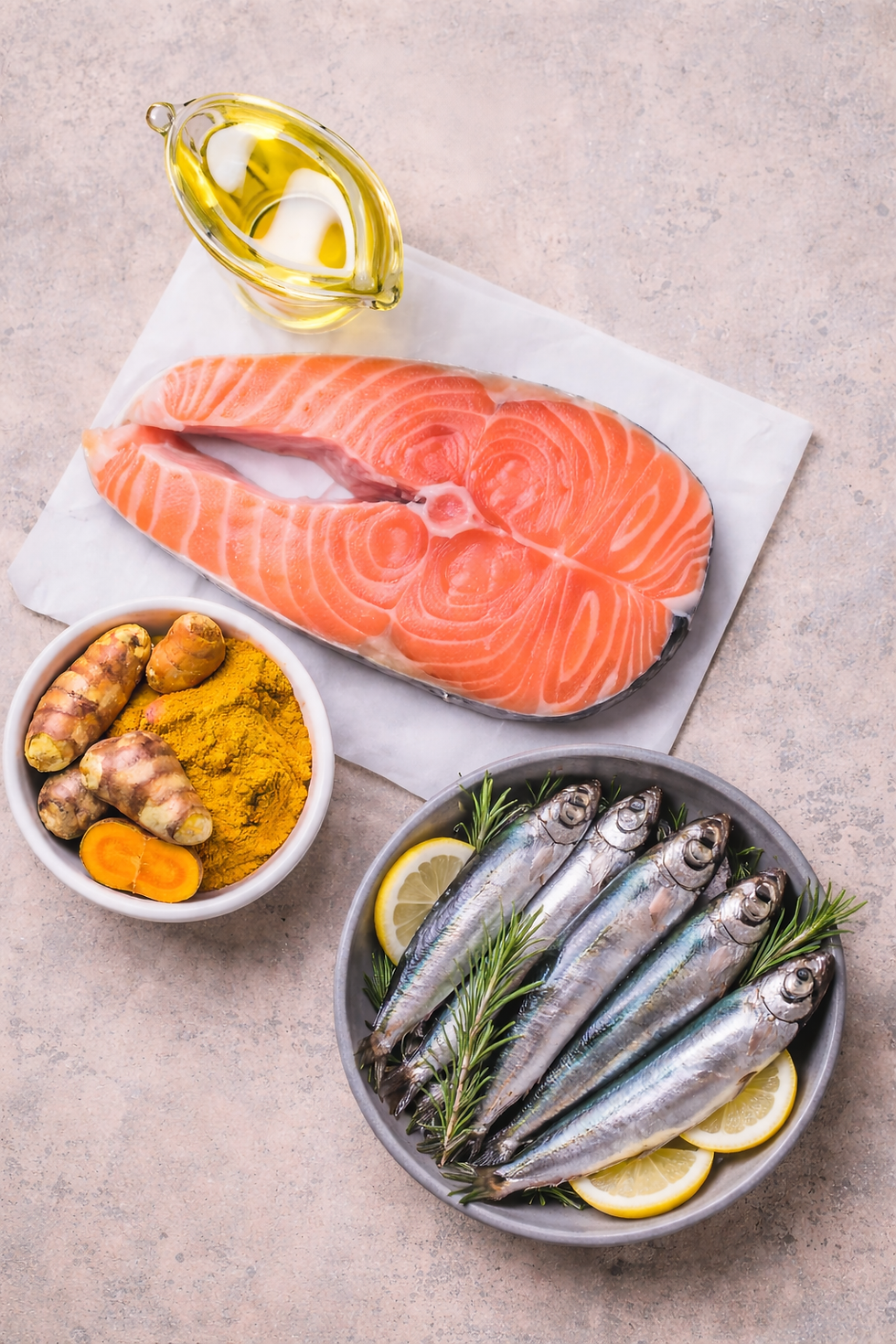
Sardines and canned salmon with bones
Leafy greens
Almonds
Chia seeds
Bone broth
One of the most fascinating insights from evolutionary nutrition research is that human living in the wild consumed much of their calcium from animal bones—not from calcium supplements which are salts usually calcium carbonate or calcium citrate. These over-the-counter calcium supplements are more like stones than food, and they dissolve quickly and produce unnatural spikes in the calcium blood level.
That matters because bones contain far more than calcium alone. They provide collagen protein, phosphorus, magnesium, trace minerals, and calcium hydroxyapatite—the actual structural material of bone.
Why I Like Bone-Based Calcium Better
This is one reason I became interested in organic bone meal supplements and calcium hydroxyapatite. Hydroxyapatite is the natural form of calcium found in human bones and teeth. It appears to be absorbed differently and may create less of the abrupt blood calcium spike seen with standard calcium salts.
More importantly, it delivers calcium in the context of the other building blocks bones actually need.
That’s why we developed CardioTabs Bone Essentials®.
Rather than relying on cheap calcium carbonate, Bone Essentials combines:
Collagen protein (this product is 35% collagen by weight)
Magnesium
Vitamin D3
Vitamin K2
These nutrients work together synergistically.
Vitamin D helps absorb calcium. Magnesium supports both bone and cardiovascular health. Vitamin K2 helps activate proteins that direct calcium into bone tissue and away from arteries. Collagen provides structural integrity to bone matrix itself and is also great for growing strong nails and hair, with youthful skin.
In other words, the goal is not simply “more calcium.” The goal is better calcium metabolism.
A Bigger Lesson About Nutrition
This entire topic reinforces a lesson I continue learning in medicine: focusing narrowly on isolated nutrients can mislead us.
For decades we vilified dietary fat, then saturated fat, then cholesterol. We oversimplified nutrition into reductionist sound bites.
But human physiology is more elegant than that. The body responds to food patterns, nutrient interactions, hormonal signaling, inflammation, gut health, sleep, exercise, and stress—all interacting simultaneously.
When patients ask me what the best strategy is for protecting their bones as they age, my answer is surprisingly simple:
Lift weights twice weekly. Walk a lot daily. Carry heavy things. Eat real food. Prioritize protein. Get outside. Maintain muscle. Avoid smoking. Prioritize sleep. If you are a woman in perimenopause or menopause, talk to your doctor about hormone replacement therapy with estrogen and progesterone. If you are a man, make sure your testosterone is in the normal range.
And nourish your body with nutrients in forms nature intended. Consider taking CardioTabs Bone Essentials, 2 capsules twice a day with food, a total of 4 capsules daily. It works like Miracle Grow for bones, hair, skin and nails. You will love the results. I have been taking 4 capsules of CardioTabs Bone Essentials for the past 10 years, and my bones have gotten progressively stronger over the last decade—which is not supposed to happen past age 40 without prescription meds.
Strong bones and healthy arteries are not opposing goals. Done properly, they go hand in hand.


Comments