Brain Food Surprise: Red Meat and Alzheimer’s Risk

Updated: Jul 24

My mother, Leatrice, was one of the smartest people I’ve ever known—and I have the privilege of working with brilliant people every day. She lived to 91 and remained mentally sharp until just hours before her death.
A few weeks before she died, she was resuscitated from a sudden cardiac arrest and was airlifted to a large hospital in Fargo. Determined to return home despite her doctors’ admonitions, she did something remarkable: from an ICU bed, without her phone or purse, she used a landline to arrange her own medical van transfer back to our small hometown hospital in Grafton, North Dakota—reciting every number—credit card, insurance info, contact numbers, etc. from memory.
This was all the more impressive because she carried one Apo E4 allele—the notorious gene that predisposes to Alzheimer’s disease. Another fun fact about Leatrice: her favorite food was steak. Emerging research suggests something surprising: diet may interact with this gene in ways we didn’t expect.
Apo E4 Explained
The Apo E4 gene is one of the biggest genetic risk factors for Alzheimer’s. You get one Apo E gene from each parent. Apo E3 is neutral, Apo E2 is protective, and Apo E4 is problematic—especially for women. Men with one Apo E4 allele appear to have a slightly increased or neutral risk. Women face about a fourfold increased risk with one copy and tenfold risk with two. About one in four adults carry at least one copy, and 2% have two copies.
A new landmark study by Swedish researchers at the Karolinska Institute published in JAMA looked at Apo E status, red meat, and dementia. Apo E4 carriers eating about 4.5 ounces of red meat daily were no more likely to develop Alzheimer’s than non-carriers. The 15-year study adjusted for factors like age, activity, smoking, and education. Apo E4 carriers who ate more red meat had lower mortality too.

This fascinating and surprising novel study found that if you are among the 25% of the US population that has the Apo E4 gene, regular consumption of lean, fresh red meat may protect you against Alzheimer’s. Two other recent large observational studies also found that eating red meat—just a few times a week, was associated with a lower risk of Alzheimer’s dementia. For all three of these paradigm-shifting studies, consuming more fresh, unprocessed red meat neutralized the increased Alzheimer’s risk of Apo E4.
Ironically, my mom’s love of red meat (she hated fish) likely contributed to healthy brain for the 9+ decades of her life. Jimmy, my oldest son, inherited his Granny Lee’s green eyes and her love of red meat. His favorite meal is “Steak Frites”—grilled hanger steak with French fries. Still, I told Jimmy not to hold out hope that some new study will conclude that French fries turn out to healthy too—that’s NEVER going to happen. Even so, after this study, we celebrated with a medium-rare fillet and toasted Leatrice with a glass of wine.
Making My Mess the Message
This is deeply personal issue for me. If one parent has an Apo E4 allele, each of their children has a 50% chance of inheriting this pernicious gene. So, I and many of my close relatives have this gene; yet nobody in my family has ever had Alzheimer’s. Admittedly, we are physically hyperactive and social bunch who follow a generally healthy lifestyle, and I make sure we all take omega-3 (fish oil).
I first discovered my Apo E4 status when I was a 2nd year medical student. We were testing our total cholesterol levels as part a biochemistry lab assignment; mine was 240 mg/dL, whereas my classmates had levels in the healthy range—140 to 180 mg/dl. At the time, I was a competitive runner eating a healthy diet. This discovery, at first devastating, turned out to be powerful motivator in my career and professional passions. In fact, Apo E4 is associated with higher cholesterol—even in healthy eaters. Cholesterol buildup in the brain may contribute to Alzheimer’s. Interestingly, statins, which lower cholesterol, appear reduce dementia risk—and once again—this beneficial effect is more apparent in Apo E4 individuals. Starting in my 20’s, I have been taking medications to keep my cholesterol low.
I also figured out in medical school that I was particularly susceptible to inflammation from sugary or starchy treats (sweet beverages, candy, chips, baked goods, etc.) and fast food. After consuming these ultra-processed foods, I could feel inflammation in my gums, and I instinctively knew that I needed to avoid them if I wanted to stay healthy. Eventually I discovered that I thrive best when eating like a hunter-gatherer—now I know why.
Worst Dietary Villain: Sugar, Not Red Meat
My patients often tell me, “I eat such a healthy diet—no red meat at all.” For decades, I’ve replied, “A little red meat won’t kill you.” What might kill you, make you obese, diabetic, and demented is a steady diet of sugar. In my experience, having a “sweet-tooth” addiction to sugar is very common among my patients with Alzheimer’s.
Single-ingredient, natural and unprocessed whole foods are what we’re meant to eat. Patients who avoid red meat entirely are not necessarily healthier—especially if their diets rely heavily on processed foods or refined carbohydrates. What I have done for myself and increasingly believe is the right approach is to eat a high-protein, high-fiber, vegetable-rich diet that includes a modest amount of fresh and lean red meat and, if need be, keep cholesterol levels down by using safe and effective meds like statins, ezetimibe and Repatha—all of which have been shown to prevent heart attack, stroke and cardiovascular death for those at risk.
Apo E4 is an ancient gene that evolved 1 to 6 million years ago, when our prehuman ancestors were eating a “hypercarnivorous” diet, so Apo E4 carriers are evolutionarily adapted to a diet higher in meat. Indeed, lean fresh red meat is rich in many brain-healthy nutrients like high-quality protein, vitamin B12, iron and zinc, all of which are not abundant in plants.
Before you decide to become a carnivore, keep in mind red meat is typically high in saturated fat, which raises cholesterol and can increase risk of CV disease, so choose lean cuts. Specifically, round roast and steak, sirloin, top loin, and chuck steaks are lean, and a 3.5 ounce cut (about 100 grams) only contains 4.5 grams of saturated fat. Avoid charred, burned, over-cooked and processed meats—these are NOT good if you are aiming for longevity. Hot dogs, bacon, sausage, ham, salami and other processed meats increase risk of cancer and heart disease. Instead, enjoy fresh, lean red meat in modest amounts, paired with non-starchy veggies dressed with olive oil and vinegar or lemon.
Genes Load the Gun, Diet/Lifestyle Pulls the Trigger
The prevalence of the Apo E4 gene varies widely across populations, with the highest frequencies in populations following the primeval ancestral hunter-gatherer lifestyles—including African, Oceanic Indigenous, and Northern European groups. Apo E4 is less common in populations with long histories of agriculture and grain-based diets such as the Middle Easterners, East Asians and Southern Europeans.
The Apo E4 gene may have conferred an advantage in physically demanding, resource-variable environments by enhancing the absorption of nutrients from foods such as red meat during times of scarcity. This prehistoric gene evolved in small bands of individuals living in the wild, maintaining very physically active lifestyles, eating a high-protein, high-fiber diet comprised of single-ingredient whole foods, and free of refined grains, added sugars, and ultra-processed foods. In such a milieu, Apo E4 would confer robust health and not predispose to Alzheimer’s or heart disease. In contrast, in modern environments characterized by caloric excess, easily digestible high-sugar foods and sedentary behavior, Apo E4 amplifies risks for dementia and cardiovascular disease.
What This Means for You
I highly recommend an at-home DNA test; 23andMe is my favorite. There is a 75% chance you won’t have the Apo E4 gene, but know that if you do carry it, you can take steps to ensure you won’t develop dementia. It is a simple and inexpensive ($80 to $200) kit you order online that involves collecting a bit of saliva and mailing it back in a pre-addressed envelope.
If you carry one or two copies of Apo E4, you can transform any anxiety that knowledge generates into motivation to live like a 21st century hunter-gatherer eating a high-fiber, whole foods diet that includes fresh lean red meat a few times a week, taking 2 grams daily of EPA + DHA omega-3, keeping alcohol not more than 3 to 6 drinks/week, staying very physically and mentally active, and making sure your blood pressure and cholesterol levels are nice and low. Even if you aren’t Apo E4 positive, unprocessed red meat can be a healthy component of your diet. And what’s good for the brain is good for the heart, and great for your longevity.
Strategies to Lower Alzheimer’s Risk
Category | What to Do | Why It Matters |
Physical Activity | 150–300 min/week moderate exercise + 2×/week strength training | Boosts brain blood flow, reduces inflammation, supports neuroplasticity |
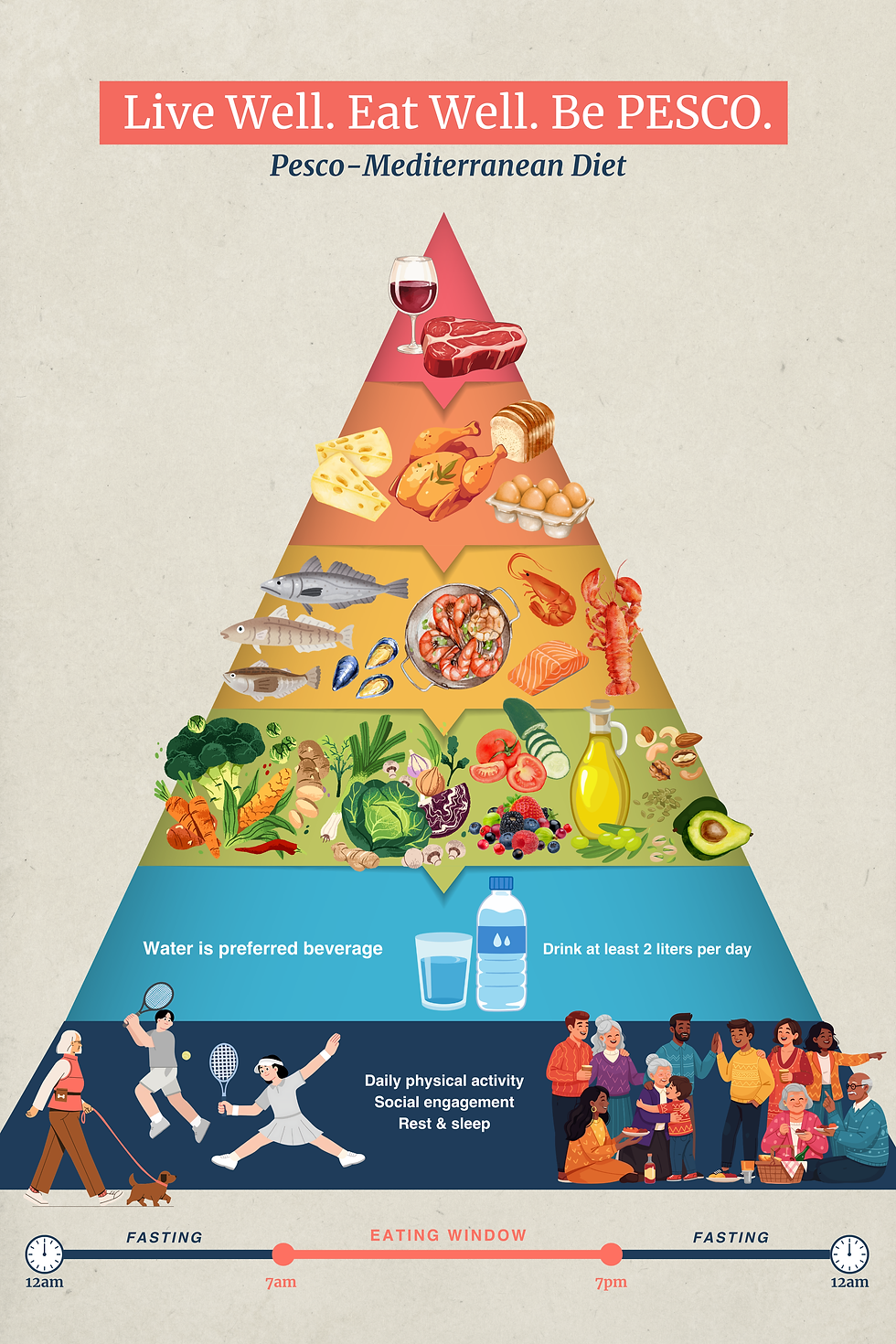
Hunter-Gatherer Diet | Non-starchy vegetables, greens, berries, nuts, fish, EVOO, unprocessed red meat. Water, coffee, tea | Linked to slower cognitive decline and lower dementia risk |
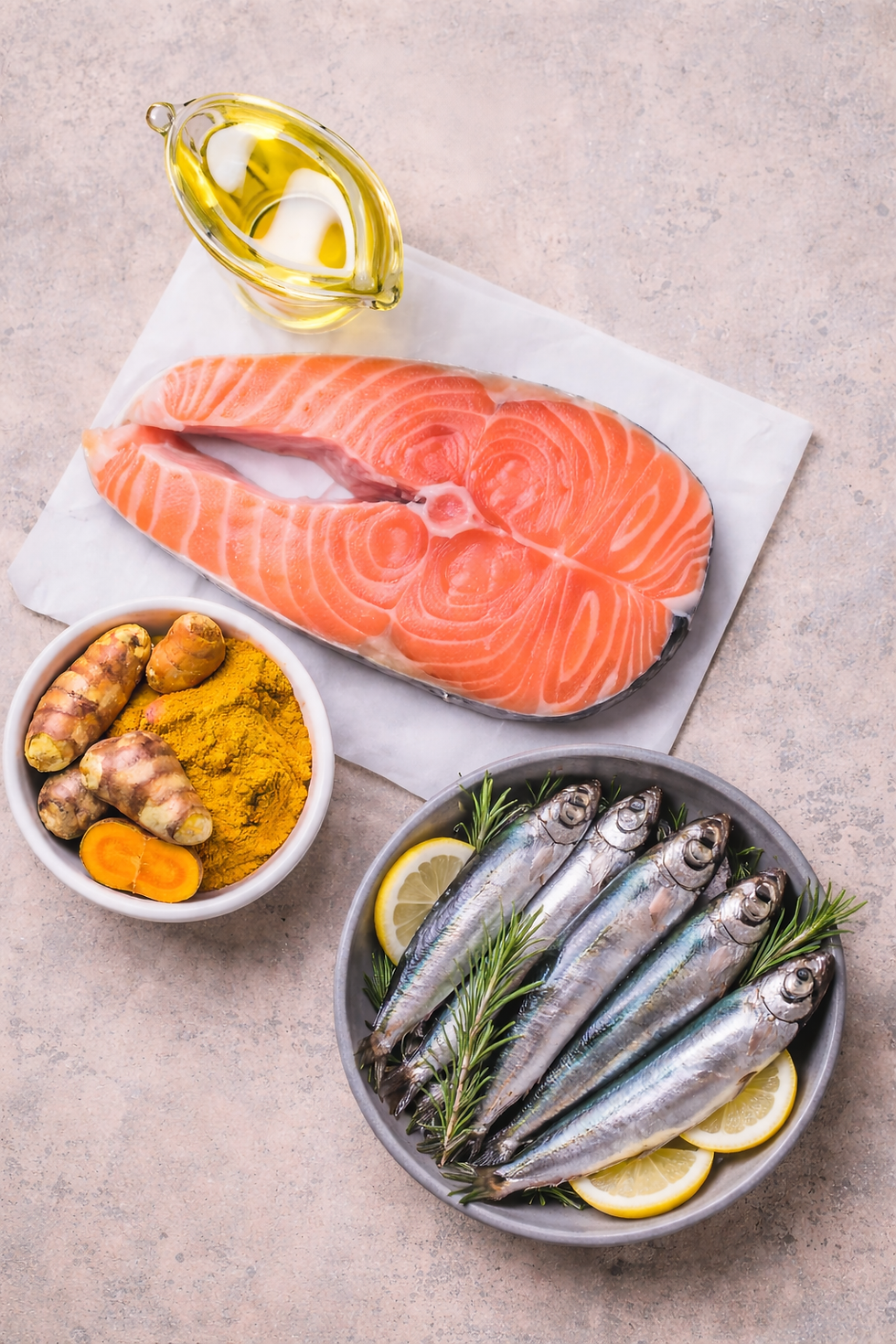
Omega-3s | Fatty fish 2×/week and/or fish oil supplement | Supports brain structure, reduces inflammation and stroke risk |
Cardiometabolic Health | Make sure your blood pressure, cholesterol, glucose (hemoglobin A1c) levels are low | Vascular health is directly tied to brain health |
Sleep | 7–9 hours/night; treat sleep apnea | Helps clear amyloid and restore brain function |
Cognitive & Social Engagement; Intimacy | Stay mentally active and socially connected | Builds cognitive reserve; reduces decline risk |
Weight & Metabolism | Maintain healthy weight; avoid insulin resistance | Metabolic dysfunction increases Alzheimer’s risk |
Alcohol and Drugs | No smoking, avoid regular use of benzodiazepines (Ambien, Xanax) ; limit alcohol (≤1 drink/day) | Protects brain and vascular systems |
Mental Health | Manage stress and depression | Chronic stress accelerates cognitive decline |
Lifelong Learning | Continue education, learn another language or musical instrument | Strengthens cognitive reserve |
Sensory Health | Correct hearing and vision loss | Maintains ability to perceive and retain new info |
Brain Protection | Prevent head injury (helmets, fall prevention) | Trauma increases dementia risk |
Oral Health | Morning & night: brush with electric toothbrush, floss your teeth and/or use a water flosser. Dental cleanings every 6 months | Reduces gum inflammation and tooth loss. Reduces risk of Alzheimer’s |
Genetic Awareness | Consider home genetic test such as 23 And Me | Enables earlier, targeted prevention |
Reference:
Meat Consumption and Cognitive Health by APOE Genotype. Norgren et.al. JAMA Netw Open. 2026;9(3):e266489. doi:10.1001/jamanetworkopen.2026.6489


Comments