Staying Younger Longer: Breakthroughs in the Science of Aging Well


"Old age is like everything else. To make a success of it, you've got to start young". Theodore Roosevelt
Almost everyone wants to feel and look younger, whether for vanity or a desire to live a longer and more active and energetic life. This desire to turn back the clock, or at least slow the pace of aging, has motivated charlatans and legitimate scientists from time immemorial to come up with a fountain of youth elixir. Animal data suggest that reducing daily calorie intake can slow the aging process, but scientific studies in humans have shown lifelong calorie restriction to be neither practical nor effective. Thankfully, recent scientific breakthroughs indicate that some drugs and supplements may help to slow down biological aging, especially when used with specific lifestyle and diet strategies.
Chronological aging is immutable. With every lap the earth takes around the sun, you will be one year older. But the pace of biological aging—your real age—is quite modifiable. American culture today reminds me of opening line of Charles Dickens’s A Tale of Two Cities: “It was the best of times, it was the worst of times, it was the age of wisdom, it was the age of foolishness.” Life expectancy and overall wellbeing have been deteriorating for the last decade in the U.S. Paradoxically, during the same time we have been discovering lifestyle factors, supplements, and drugs that slow aging and maybe even reverse it in ways never thought possible.
If you start paying attention and become proactive about not getting old, there has never been a better time and place to be alive than 2026 America. This article outlines a few key steps you can take to preserve robust health and the vitality of youth no matter your age. This will take some effort on your part, but the payoff is profound. Time, not money, is the most valuable currency of life. These strategies and therapies will enrich your life with many more years or even decades of youthful vigor.
GLP-1 Drugs (Tirzepatide and Semaglutide)
One of the most powerful ways to slow aging and stay youthful is to maintain a healthy body weight. America today is an obesogenic environment that conspires to make us fat. Chronic excess calorie intake has become the most common driver of premature aging—over 73% of adults are now overweight or obese. This extra weight silently fuels a cascade of chronic diseases, including diabetes, high blood pressure, high cholesterol, fatty liver, heart failure, kidney disease, arthritis, cancer, and even dementia. But there’s a promising new approach: GLP-1 agonists like tirzepatide and semaglutide. These breakthrough therapies work not by speeding up your metabolism, but by calming the brain’s reward pathways and blunting the cravings that lead to overconsumption—of food, beverages, alcohol, and recreational drugs.
In essence, GLPs make it easier to say no to hyper-palatable, ultra-processed foods and tempting substances like alcohol, tobacco, and opioids. As people lose weight and reduce use of addictive substances on these medications, we see dramatic improvements in nearly every marker of health—blood sugar, inflammation, liver function, blood pressure, and cardiovascular risk. In our article Tirzepatide and Semaglutide as Anti-Consumption Agents (published earlier this year in Progress in Cardiovascular Diseases), we propose that these drugs should be viewed as powerful anti-aging tools. In my opinion, GLP-1 drugs are the most important medical advancement we’ve seen since antibiotics were invented 100 years ago. These drugs are effective not just for shedding pounds, but for reversing the biological toll of overconsumption and helping people live longer, healthier lives. But don’t start a GLP drug at home on your own. Getting and staying on these drugs can be tricky, as we pointed out in our last From the Heart Newsletter (Summer 2025). Partner with a healthcare team like ours at the CardioWellness Center here at Saint Luke’s of Kansas City to make sure your GLP-1 experience is safe and effective.
Omega-3, Vitamin D, and Strength Training
Omega-3 fatty acids, specifically DHA and EPA, have shown promising results in slowing biological aging in animals and humans. Evan O’Keefe, MD, was the lead author on our recent study in the journal Mayo Clinic Proceedings, showing that having an omega-3 blood level in the top quintile (one-fifth) was linked with a 20% reduction in risk of death from any cause among 160,000 people followed for 14 years. High omega-3 levels were also associated with significantly reduced risks of cardiovascular (CV) and cancer death in that study. Other recent studies show that having high omega-3 levels slows our body’s biological clock, keeping us youthful longer. Scientists now use aging clocks (especially epigenetic clocks based on DNA methylation) to estimate biological age or the “pace of aging, rather than simply years lived.
The CDC’s National Health and Nutrition Examination Survey, a large observational study of about 20,000 adults, reported that the more omega-3 a person consumed, the slower the pace of aging during the 15 years of follow-up. The full anti-aging benefit was seen at intakes of at least 1,100 mg/day of EPA + DHA—the two main types of omega-3 fats.
A landmark trial called the DO-HEALTH study was recently reported in the prestigious journal Nature. This was a randomized placebo-controlled trial conducted at the University of Zurich. It randomly assigned 777 Swiss participants who were ≥70 years old to 2,000 IU of vitamin D3 daily, 1,000 mg of omega-3 daily, and/or performing 30 minutes of strength training at home three times per week. The DO-HEALTH study found that daily supplementation with omega-3, alone or in combination with vitamin D and strength training, slowed the pace of biological aging compared to controls. This combo—vitamin D, omega-3, and weightlifting—significantly reduced the risk of serious infections, falls, cancer, and frailty. This gold-standard randomized, controlled trial discovered that omega-3 supplementation alone slowed the biological age progression (measured by three of four clocks) by about 2.9 to 3.8 months over 3 years.
According to Dr. Bischoff-Ferrari, lead author of the DO-HEALTH study, “These three factors—omega-3, vitamin D, and strength training—combined had the greatest impact on reducing the risk of cancer and preventing premature frailty over a three-year period by slowing down the biological aging process.” Although there is no generally best test for measuring biological age, the DO-HEALTH study used state-of-the-art, currently validated epigenetic clocks.
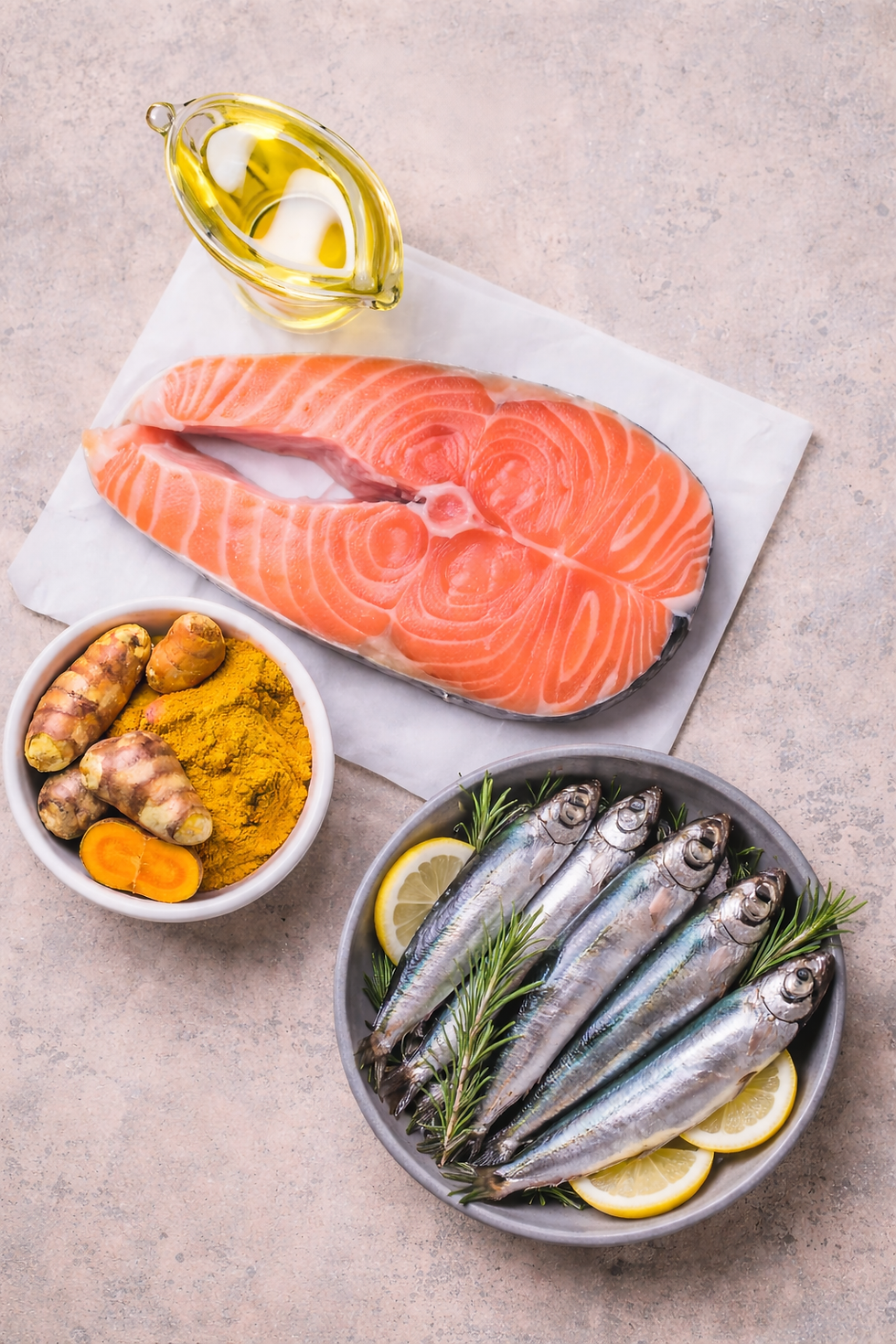
Our body can’t make its own marine omega-3s—specifically DHA and EPA. The only way to have high blood levels of these nutrients that are so vital for heart and brain health is to eat them in the form of fish and seafood or take an omega-3 fish oil supplement. To get the age-slowing, life-extending benefits of omega-3, most Americans need to ingest 1,000 to 1,600 mg of EPA + DHA daily. This is easy to do by eating a 6-ounce serving of salmon at least 3 times each week or by taking two capsules of a purified omega-3 supplement daily. If you want to be sure you are in the protective range, order online an omega-3 blood level test from Omega Quant or CardioTabs. To get the full benefits from omega-3, your level should be > 8%; most US adults are in the 4 to 5% range.
SGLT Inhibitors
For decades, scientists have been searching in vain for an effective geroprotective agent—a drug to protect against aging. As we explained in a recent scientific paper published in Progress in Cardiovascular Disease, the sodium glucose cotransporter inhibitor (SGLTi) medication class appears to be the first safe and effective geroprotective drug. The best of the SGLTis include Farxiga® (dapagliflozin), Jardiance® (empagliflozin), and Inpefa® (sotagliflozin); dapagliflozin is slated to go generic later this year.
Advancing age is the major risk factor for most of the diseases that have the potential to ruin our quality of life and/or kill us. The older we get, the more likely we are to come down with one or more of the modern scourges—everything from heart failure, heart attack, stroke, atrial fibrillation, and kidney failure to neurodegenerative disease like Alzheimer’s and Parkinson’s and nearly all cancers. Modern healthcare is designed to play whack-a-mole, where we wait till a disease pops up to treat it. But if we had a therapy that slowed the aging process at a cellular level, it would reduce the risk for all these age-related diseases that are so prevalent as we grow older.
The SGLTs slow aging at a cellular level by mimicking fasting or strenuous exercise. The sodium-glucose cotransporter receptor was a mechanism that evolved 600 million years ago as an energy sensor in the cells. During periods of scarcity, when the cell was stressed, this SGLT receptor was activated, triggering a process called autophagy, or cellular housekeeping. So when cells aren’t getting enough food and nutrients, autophagy kicks in, and the cell starts testing all the mitochondria—the tiny power plants that create the energy to power life. In this process, lysosomes patrol around the cells looking for worn-out mitochondria that are not working properly and thus are generating less energy and spewing out more smoke. The lysosomes break down the older, less efficient mitochondria into amino acids—protein building blocks, which are then recycled to make brand new mitochondria that crank out more energy and give off fewer harmful free-radicals (smoke). In this way, autophagy rejuvenates the cells and makes them more resilient against stress and more likely to survive and thrive.
Revitalized, more energetic cells that give off less pollution make the whole organism healthier and more youthful. I doubt there is a cardiologist in the nation that has used SGLT inhibitors in a higher proportion of their patients over the past 10 years. I became a huge fan of these drugs when the Empa-Reg study in 2015 found that Jardiance® reduced risk of CV death by 38% in people with diabetes and heart disease. Over the ensuing decade, numerous large and impressive studies show that these drugs reduce risk of premature death, CV death, heart failure, kidney failure, and atrial fibrillation. SGLTis also appear to reduce hospitalizations by about one third. They might even reduce risk of cancer deaths and neurodegenerative diseases like Alzheimer’s and Parkinson’s.
Although the SGLT inhibitor class of meds was initially approved for treating type 2 diabetes, about nine out of 10 people whom I prescribe it for do not have diabetes but instead are at risk for developing one or more of these diseases of aging—and aren’t we all? SGLT inhibitors are quite safe, but they do work in part by blocking the reuptake of filtered glucose, so that you have sugar in your urine. This can predispose to fungal skin infections like vaginal yeast infections in women and jock itch in men. We advise people on empagliflozin or dapagliflozin to stay well-hydrated, use a wet wipe or tissue paper to clean off any residual urine from skin surfaces, and bathe or shower at least once daily.
Go Outside and Play with Your Friends
As a cardiologist and lifelong athlete, I’ve spent decades studying how different types of exercise affect not just fitness, but longevity. In our 2023 article “Training Strategies to Optimize Cardiovascular Durability and Life Expectancy” (published in Missouri Medicine), we highlighted something that might surprise you: The best exercise for a long, healthy life isn’t grinding out miles on a treadmill; instead, it’s the kind that feels like play. My mother Leatrice’s mantra to her six kids while we were growing up was, “Go outside and play with your friends.” Turns out, this was exactly the right advice for staying young and healthy throughout life.
Activities like tennis, pickleball, soccer, volleyball, softball, and touch football—especially when done outdoors with others—combine movement, sunshine, fresh air, and social interaction into one powerful package. These aren’t just workouts; they’re joyful experiences that stimulate both body and brain. When we engage in interactive physical play, we release feel-good brain chemicals, build coordination and balance, and keep our cardiovascular systems resilient and adaptable.
Team sports and racquet games stand out in longevity research. These types of activities tend to be more sustainable over the long term because they’re fun and social. You’re not just working out—you’re laughing, competing, bonding, and getting into a flow state that turns exercise into something you look forward to. And because these games usually involve short bursts of intense effort followed by active recovery—what scientists call high-intensity interval training (HIIT)—they naturally improve heart health and metabolic fitness more effectively than steady-state cardio workouts.
I encourage my patients to find a sport or activity they love and make it a regular part of their routine. Whether it's a weekly pickleball match, a lunchtime walk with a friend, or kicking a soccer ball around with your kids or grandkids, the key is to move your body in ways that bring you joy. That’s how you build cardiovascular durability—the ability of your heart and blood vessels to stay strong and flexible well into old age.
Hormone Replacement Therapy for Women and Men
I usually can perceive whether or not a female patient over age 50 is on hormone replacement therapy by just looking at her. Indeed, a key piece of the longevity puzzle is maintaining normal hormone levels as we age. For both women and men, sex hormones—estrogen, progesterone, and testosterone—play vital roles in preserving muscle mass, bone density, cognitive sharpness, cardiovascular health, and sexual vitality. Unfortunately, these hormones naturally decline with age, contributing to fatigue, frailty, mood changes, loss of libido, and a general sense of diminished vigor.
Recent research shows that carefully prescribed hormone replacement therapy (HRT) can safely restore hormone levels to the healthy physiologic range, improving energy, motivation, and overall quality of life.
For women, estrogen replacement—especially when started within ten years of menopause—reduces hot flashes, preserves bone strength, and may lower risk of heart disease and dementia.
For men with confirmed low testosterone, restoring levels to normal physiologic range has been shown to increase lean muscle, reduce abdominal fat, and enhance mood, motivation, and sexual function, without increasing cardiovascular risk when properly monitored.
In fact, new research using biological aging clocks based on DNA methylation patterns shows that maintaining hormone levels in the normal range can actually slow the pace of biological aging. Studies have found that postmenopausal women on estrogen therapy and men treated for low testosterone tend to have younger epigenetic ages compared to untreated peers—suggesting that balanced hormone replacement not only helps you feel younger, but may truly keep your cells younger too.
Don’t try this at home. The key is balance and medical supervision. Hormone therapy should never be undertaken casually or in anti-aging clinics that use unregulated or excessive doses. The safest and most effective approach is to work with a knowledgeable clinician who uses evidence-based protocols, appropriate lab testing, regular follow-up and FDA-approved preparations.
Bottom Line: When done thoughtfully and monitored closely, HRT can be a safe and effective tool for maintaining youthful vigor—helping you stay strong, sharp, and fully engaged in life through your 50s, 60s, 70s, and beyond.


Comments