The Unmatched Power of Real Food

James H. O’Keefe MD with Joan O’Keefe RD

Dr. Robert Lustig has spent more than 40 years as a physician/researcher treating obesity and diabetes and finding ways to prevent these issues. He lays out a compelling case against processed food as the principal offender that’s ruining our health, burdening the economy, and polluting our environment.
It’s Not What’s in the Food, It’s What’s Been Done to the Food
Eating a diet of real, whole, unprocessed food is the simple and powerful habit that can cure most of the nefarious health problems that plague modern humans. “When you look carefully at the science of pathologies that cause modern diseases,” Lustig says, “you realize that none are druggable, which is why they don’t respond to our current medications, and why people keep getting sicker despite the doctors’ best efforts.” These pathogies are glycation, oxidative stress, mitochondrial dysfunction, insulin resistance, membrane instability, inflammation, epigenetics, and autophagy. These may not be druggable, but thankfully, they are “foodable”—eating and drinking almost exclusively natural unprocessed foods will correct the pathologies and thereby prevent or treat the diseases that are so prevalent, including heart disease, cancer, diabetes, most gastrointestinal (GI) disorders, and Alzheimer’s. Dr. Lustig says, “So all these medicines that we currently throw at these various chronic diseases, they are treating the symptoms of the disease, but they are not treating the underlying pathology. The disease is still there.”
Dr. Lustig’s mantra is: It’s not what’s in the food but what’s been done to the food.
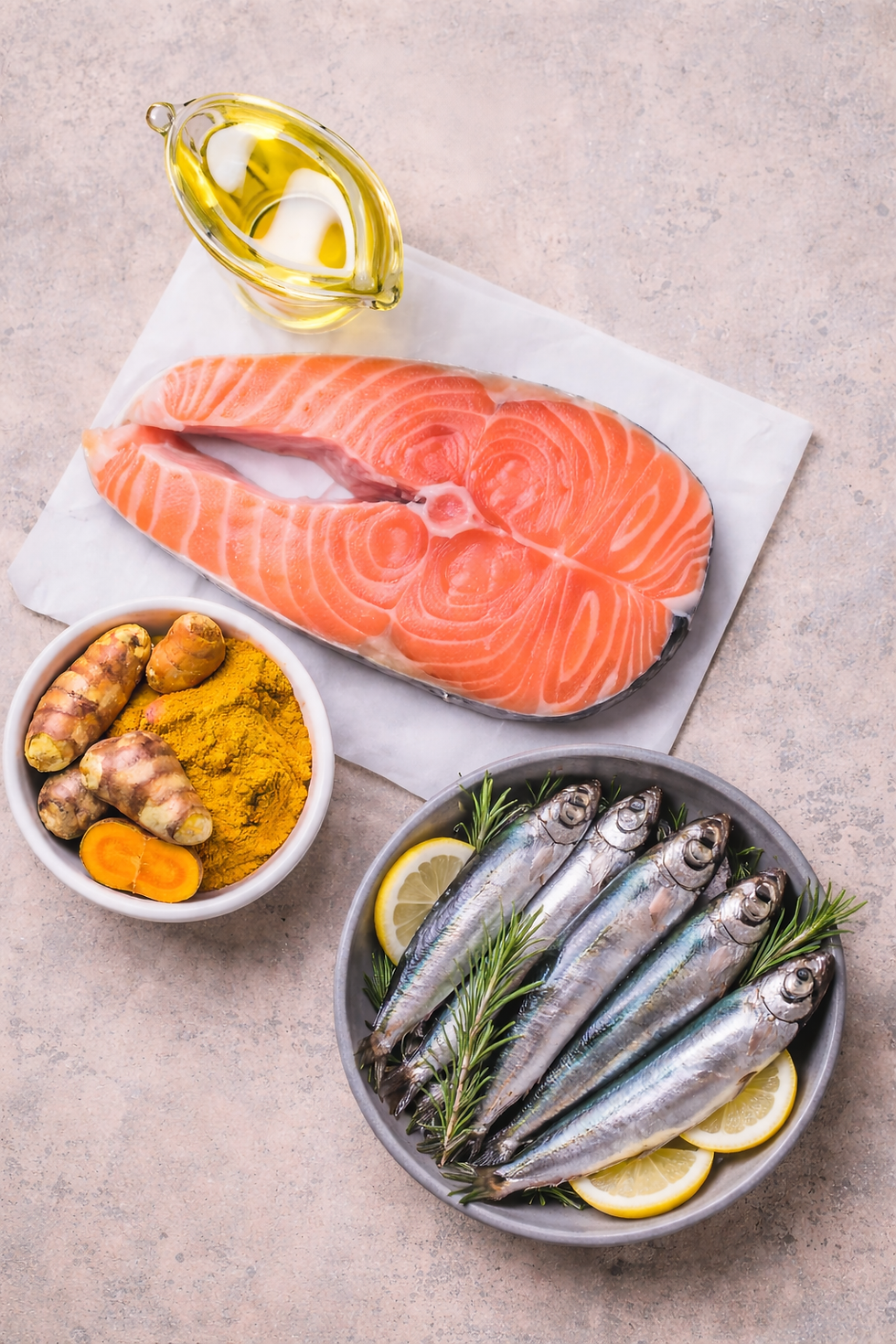
Processing food generally involves stripping out the fiber and nutrients and adding in sugar, salt, preservatives, and other chemicals. Jack LaLanne was on target when he urged, “If man made it, don’t eat it!” Often you can’t tell what’s been done to the food by looking at the food label, which is why the healthiest foods tend to be those that don’t carry a nutrition facts label, such as fresh vegetables, fruits, berries, fish, seafood, and lean fresh cuts of meat. There are exceptions, like water, which is ideally processed by filtration and/or reverse osmosis to remove all impurities and chemical contaminants to get it back to water that might be found in pristine natural sources.
Dr. Lustig has been on the forefront of medicine and science for the past 4 decades, and he believes that our current healthcare paradigm has “gone off the rails” under the influence of Big Food, Big Pharma, and Big Government. In his brilliant new book, Metabolical, he asserts:
Most chronic diseases are not "druggable," but they are "foodable."
Medications for chronic disease treats symptoms, not the disease itself.
Processed food made with added sugar, white flour, salt, caffeine, and other additives is not only toxic, it’s also addictive.
The battle between vegetarian and Paleo diets is a false war. The combatants are on the same side, where real food is the answer and processed food is the villain.
According to Dr. Lustig, Big Food, Big Pharma, and Big Government are on the “Dark Side”, deluding us into thinking that we can fix our nation’s deteriorating health and shortening life expectancy with more processed foods and drugs.
Protect the Liver, Feed the Gut
Dr. Lustig says food is the single most potent lever we can use to bring about the biochemical changes needed to optimize our health. He insists that what we choose to eat should be based on two overarching mandates: Protect the liver; feed the gut. The first goal—protect the liver—is accomplished by avoiding all foods with added sugars, as well as junk food, processed foods, fast food, and sweetened beverages. These high-calorie, ultra-processed foods are quickly digested, resulting in spikes in insulin, sugar, and triglycerides. This eventually overwhelms the liver by stuffing it full of fat, a condition we call hepatic steatosis (fatty liver), which is seen in up to 40% of U.S. adults. When the liver is chock-full of fat, it spews inflammatory cytokines (small proteins that stimulate big changes in cells) into the bloodstream that light the fires of inflammation throughout the body, predisposing to everything from heart disease and cancer to obesity and Alzheimer’s.
The second mandate—feed the gut—refers to the trillions of microbes inside your GI tract that play a fundamental role in health and wellbeing. To nurture beneficial microbes in your gut, it is essential that you eat whole foods in their unprocessed state. As Michael Pollan advises, “If it came from a plant, eat it; if it was made in a plant, don't.” Foods like vegetables, nuts, fruits, legumes, and whole grains are rich in fibers—both soluble and insoluble—perfect for growing and maintaining a healthy and robust microbiome in the GI tract. You can also feed the gut by eating fermented foods like sauerkraut, kimchi, unsweetened yogurt and kefir, and pickles.
For example, my breakfast this morning was chilled boiled shrimp and avocado slices drizzled with fresh-squeezed lemon juice, a large bowl of unsweetened, fat-free Greek yogurt topped with frozen wild blueberries and walnuts, and a small bowl of sauerkraut (the kind that’s fermented with live cultures). I drank 24 oz of water (with lemon juice) and 10 oz of green tea. Meals like this promote health and healing from within. Nothing else that can reliably confer health benefits as well as a steady diet of real and unprocessed foods.
And nothing tastes as good as lean and fit feels. Make it a priority to eat whole natural foods and avoid virtually all beverages except water, unsweetened sparkling water, coffee, and tea (no sugar or sweeteners). A low-sugar alcoholic drink, like a glass of dry red wine, can be part of this healthy diet if you can keep it to not more than 10 drinks per week.
“When you eat for health rather than taste, you develop a healthy taste.” Bob Conn, MD
Sidebar: Fundamental Health Habits
Take very good care of your feet and toenails. Keep your nails trimmed and filed. Scrub your feet when you bathe. Wear comfortable and well-fitting shoes.
Be meticulous about your oral care. Brush at least twice a day, ideally with an electric toothbrush such as Sonicare or Oral B. Floss at least once a day. A diet of whole foods is the opposite of fast food and in fact, could be called “slow food” because it requires a substantial investment of time and energy spent on chewing up crunchy nuts and seeds, leafy greens, crisp veggies like carrots and celery, high fiber fruit like apples, avocados, and berries, and lean fresh protein foods like steak and seafood. All this chewing is not only good for your gut and metabolism, it’s also great for your gums, teeth, and jaw and facial muscles.
Eat a big breakfast. Fast at least 12 hours nightly. Do not eat or drink anything with calories or artificial sweeteners after dinner. Overnight fasting protects the liver and feeds the gut by giving your system a chance to purify itself overnight. Remember, it is important to stay well hydrated with water during your fast.
Get to bed by 10:30 p.m. and sleep seven or eight hours per night. Be very regular about your bedtime, during the week as well as on weekends and vacations.


Comments